dyeable fabrics
Your Ultimate Guide to Dyeing Fabric for Women’s Wear
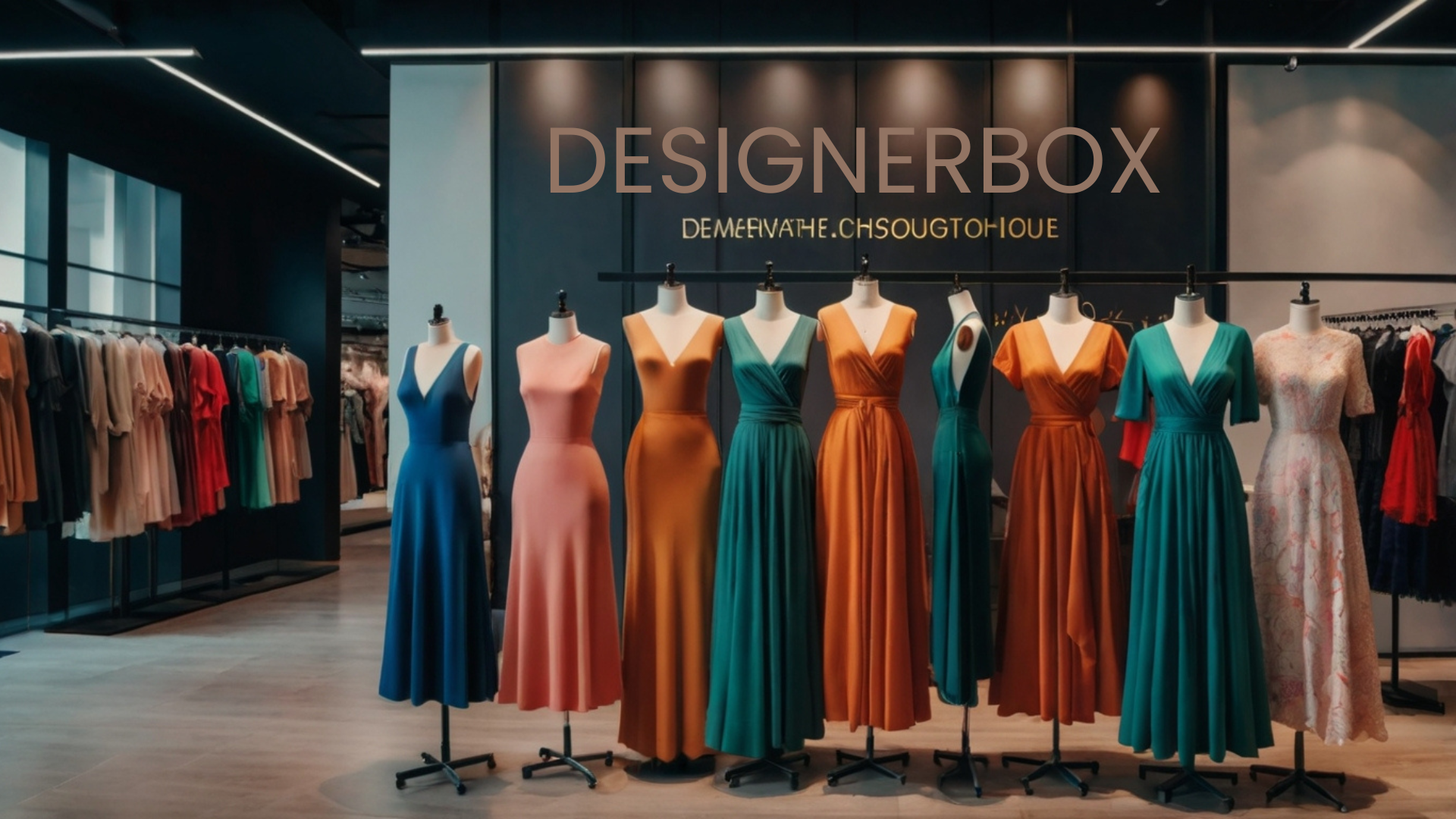
Hello, stylish souls! Mumbai’s vibrant fashion scene and rich textile heritage make it a hotspot for all you fabric enthusiasts and designers out there. Whether you’re a dye-hard designer or a DIY diva, knowing how to dye your fabrics just right is a must. This guide is here to spill the secrets on the best fabrics for dyeing, their special properties, and must-know tips for dyeing like a pro. Ready to get colourful?
Let’s go!
Understanding Fabric Types & Dyeability...
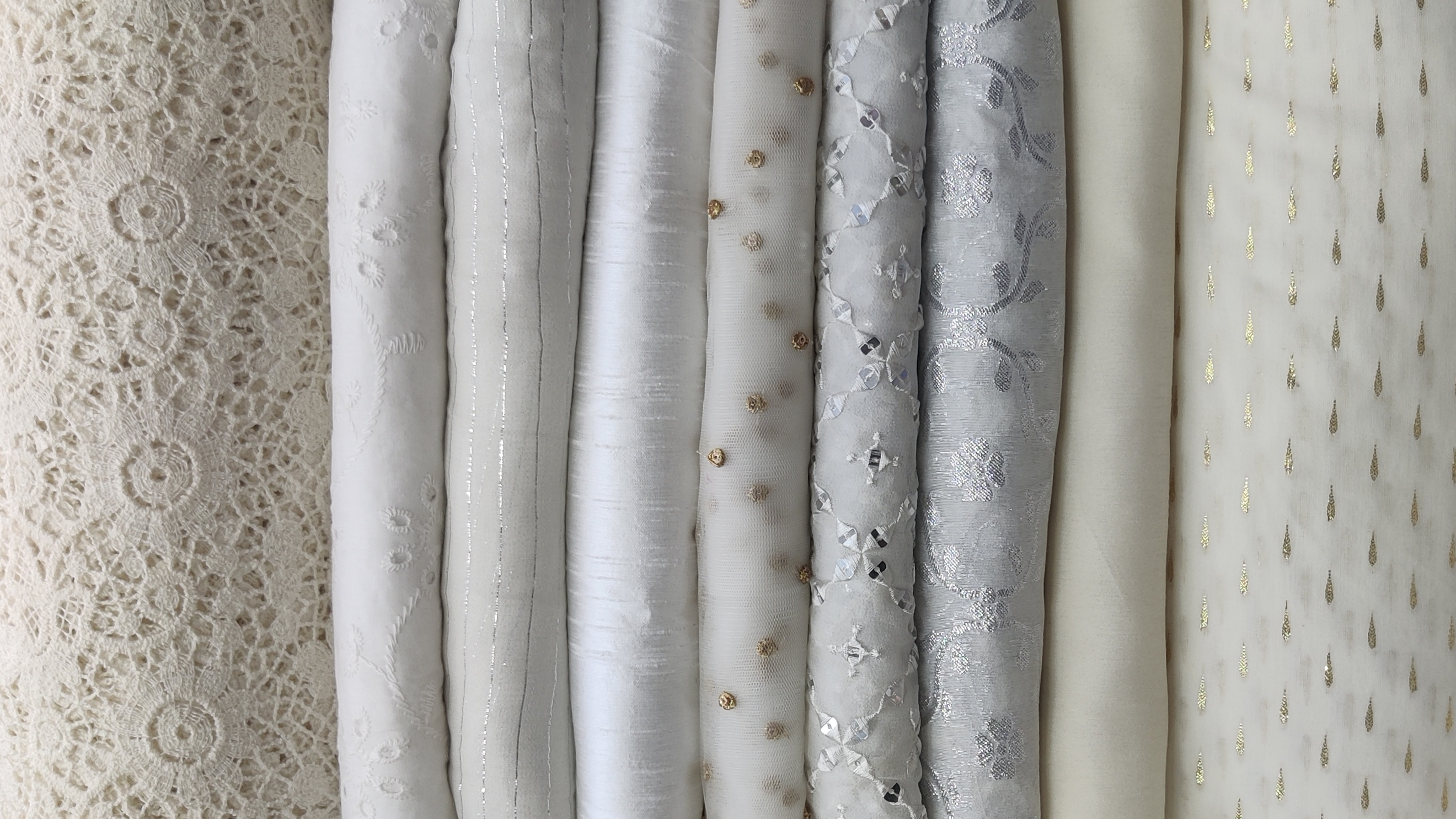
Hey, future fabric artist! Before you jump into the exciting world of dyeing, let’s chat about which fabrics play nice with dyes and how they act:
dyable fabrics refers to any textile that can effectively absorb and retain dye, allowing for a wide range of colors and patterns to be applied. These fabrics can be made from natural fibers, synthetic fibers, or blends, and their dyeability depends on their fiber content, structure, and the dyeing techniques used.
Best Dyeable Fabrics for a Boutique
If you're looking for dyeing fabrics suitable for a boutique, you'll want to focus on high-quality, versatile materials that both take dye well and appeal to your target market. Fabrics with good dye absorption and durability can add uniqueness to boutique collections. Here are some top options of dyeable fabrics
1. Cotton: This fabric’s a classic for a reason! Cotton absorbs dye like
a dream, giving you bright, consistent colours. Variations like main
cotton, sub mull cotton, cambric, poplin, muslin, khadi, and denim
each offer unique textures and dyeing characteristics. It’s opaque,
so no lining required.
Why: Cotton is breathable, comfortable, and highly versatile. It takes dye easily, making it perfect for a wide range of clothing items like shirts, dresses, and casual wear.
Boutique appeal: Organic cotton or high-thread-count cotton gives a premium feel that customers will appreciate.
2. Silk: Fancy and fabulous, silk takes dye like a pro, offering rich, deep colours. Depending on its weave and weight, it can be either translucent or opaque. Lighter silks might need some modesty lining. Variations include pure silk, raw silk, gazzi/gajji silk, opada/uppada silk, satin silk, crepe, organza, chiffon, munga silk, tassel silk, and muslin silk.
Why: Silk absorbs dye beautifully and results in vibrant, luxurious colors. It’s great for high-end products like scarves, evening wear, or luxury tops.
Boutique appeal: Silk elevates the product line, adding elegance and refinement, ideal for premium clientele.
3. Linen: This breezy fabric dyes well but can have a quirky, uneven finish. Usually opaque, linen doesn’t need lining.
Why: Linen offers a natural texture and takes dye well, although colors may appear slightly muted. It's perfect for creating breathable summer collections, such as light dresses, tunics, and skirts.
Boutique appeal: Linen has an eco-friendly, artisanal vibe, appealing to customers interested in sustainable fashion.
4. Polyester and Blends: These synthetics are a bit more highmaintenance, needing special dyes and higher temps. They’re typically opaque, so lining isn’t necessary. Variations include viscose type, slub, pure viscose, georgette, rayon, organza, Chinon, chiffon, dupian, crepe, gazzi, dola, modal, and tissue satin.
5. Rayon: Vibrant and versatile, rayon dyes easily and gives you
bright, bold colours. It can be a bit see-through, so lighter rayons
might need some lining.
Why: Rayon is absorbent and dyes well, producing vibrant colors. Bamboo rayon or modal are excellent options for boutiques offering eco-conscious and soft fabrics.
Boutique appeal: Rayon blends are great for flowy, drapey items like boho-style dresses or loungewear. They appeal to customers who prioritize comfort and sustainabilit.
dye types
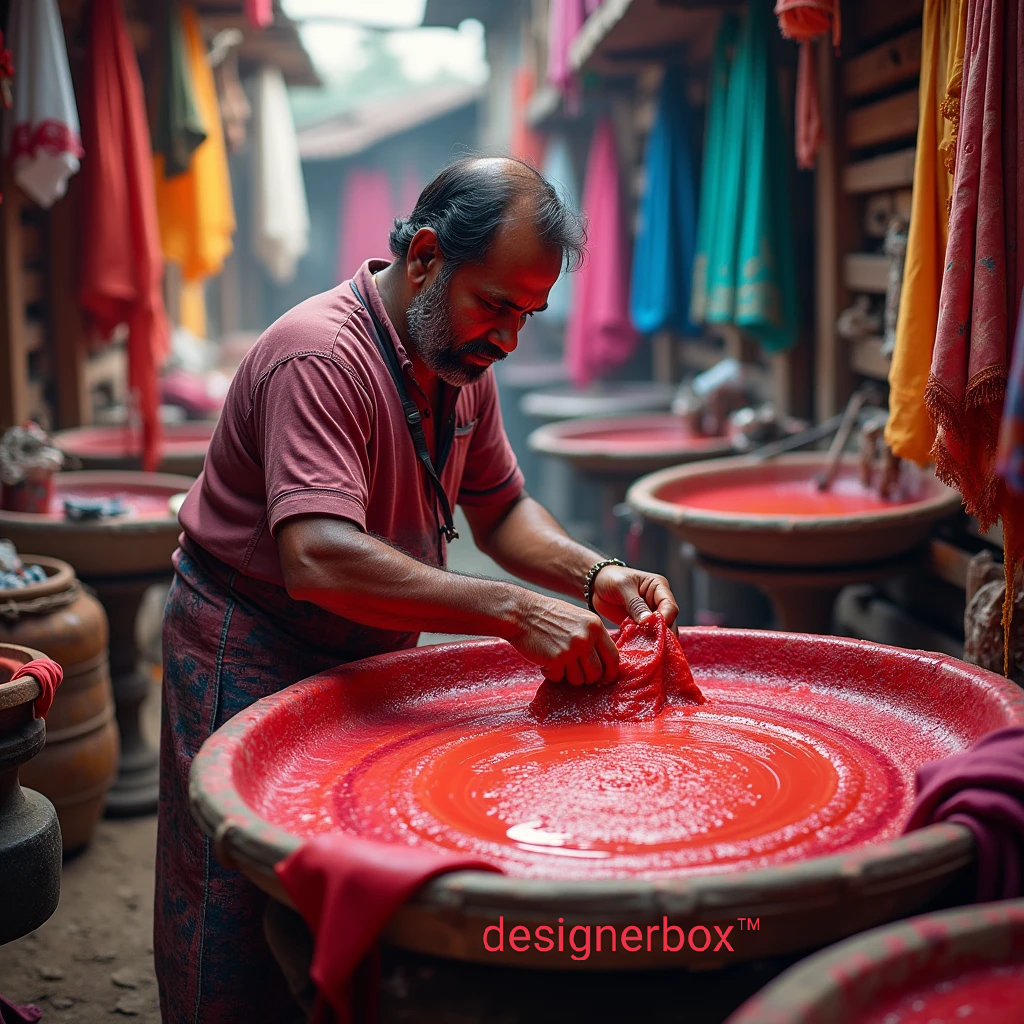
Acid Dyes: Used for protein fibers like silk and wool, acid dyes create vibrant colors and are known for their good wash fastness.
Reactive Dyes: Typically used for cellulose fibers like cotton, reactive dyes chemically bond with the fiber, providing bright colors and excellent colorfastness.
Disperse Dyes: Used primarily for synthetic fibers like polyester, these dyes disperse in water and adhere to the fibers, creating vivid colors.
Color Fastness: A critical aspect of dyeable fabrics is their ability to retain color after washing, exposure to sunlight, and other environmental factors. Color fastness can vary based on the dye type, fabric structure, and post-dyeing treatments
Transparency and Lining Needs
When choosing fabric for dyeing, don’t forget to check its transparency. Lightweight lovelies like chiffon, georgette, and some silks can be a bit sheer, so they might need a lining or an underlayer, especially for garments like dresses and blouses. Heavier fabrics like denim, canvas, and some cosy knits are typically opaque, so no lining required. Let the dyeing fun begin!
Using a Dye Colour Book Guide
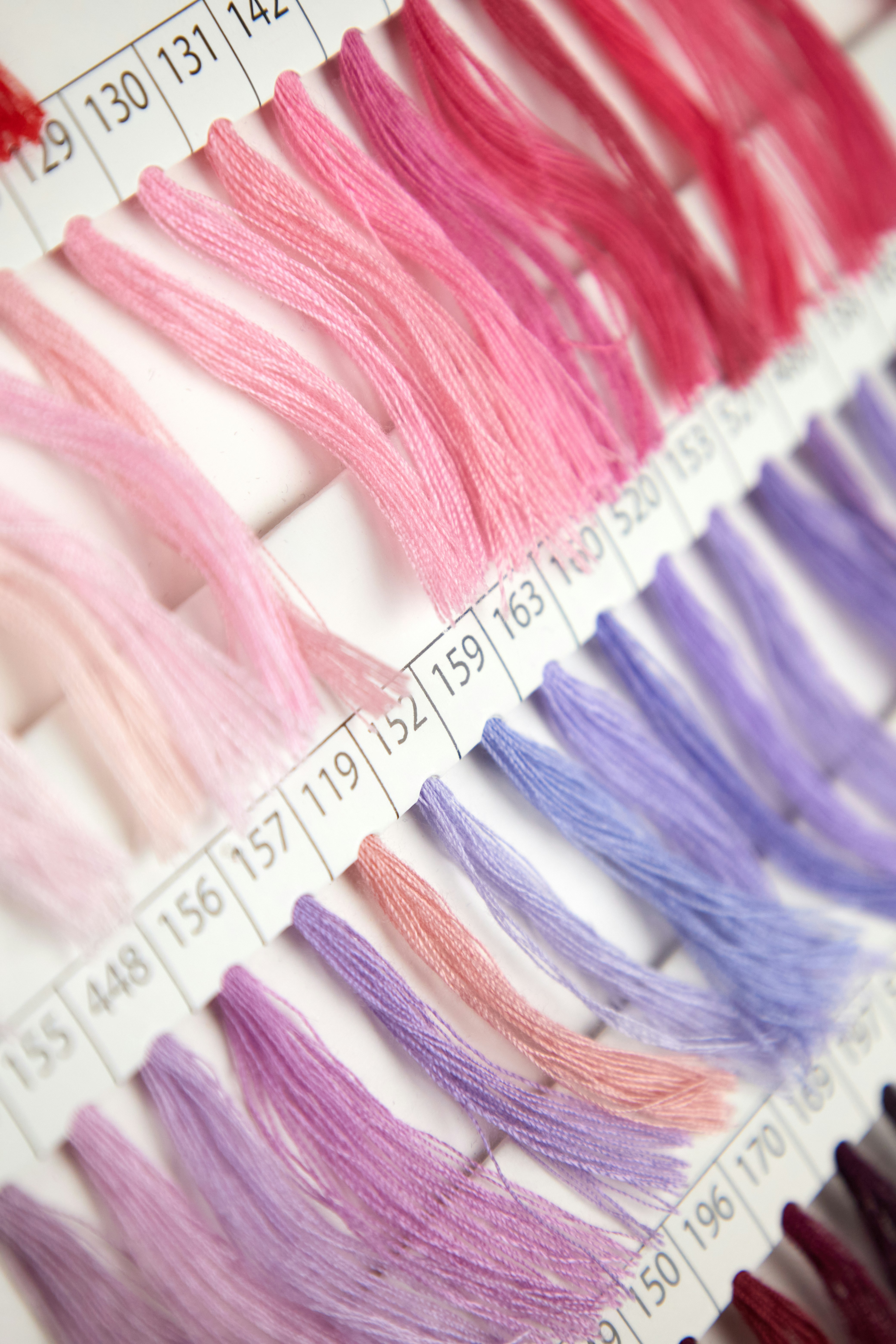
Think of a dye colour book guide as your secret weapon. It’s packed with a spectrum of dye colours and how they turn out on various
fabrics. Here’s how to use it like a pro:
Comments:0
Leave a reply
Latest Seller Blogs
How to Use Pinterest, WhatsApp Channels & Fashion Chemistry for Fashion Recruitment in India
Find Hand Embroidery ...

From Export Karkhana to Home Artists: 700KG Embroidery Material Now Open in Mumbai
In the hidden lanes of Mu...
Future of Sustainable Fashion Production: Trends, Technologies & Business Opportunities (2026 Guide)
The fashion industry is e...
Best Hand Embroidery Karigar in India (City-Wise Guide for Designers & Brands)
Finding a skilled hand em...
Woven Label Manufacturer in India – Complete Guide for Garment Brands
In the fashion and garmen...